
Buccal Massage vs. Botox vs. Filler: An Honest Comparison
People love asking which one is better. Botox. Filler. Buccal massage.
As if one of them is secretly the correct answer and the other two are sitting in the corner making bad life choices. The problem is that they're not really competing treatments. They just happen to get mentioned in the same conversations.
People are researching buccal massage vs botox NYC treatments every day. Somebody wants a sharper jawline. Somebody wants fewer forehead lines. Somebody else wants to look less tired but doesn't want injectables. Three people, three goals — three completely different situations.
Yet somehow they all end up reading the same articles.
Let's untangle it a bit.
What Each Method Actually Does
The simplest place to start is Botox.
Botox affects muscle movement. That's the core idea. Certain facial muscles contract thousands upon thousands of times. You smile. Squint. Frown. Raise your eyebrows because somebody just sent an email marked "urgent" at 5:47 p.m. on a Friday. Eventually those movements leave marks.
Botox reduces some of that muscle activity. Less movement often means softer expression lines. Pretty straightforward.
Filler works completely differently — it adds volume. That's the entire game. Over time, faces naturally lose volume. Cheeks flatten slightly. Under-eye hollows become more noticeable. Certain areas begin looking less supported than they did ten years earlier.
Filler replaces some of what was lost. Not muscles. Not skin quality. Volume. That's why the results can be quite odd sometimes.
Then there's buccal massage. And this is usually where people get confused.
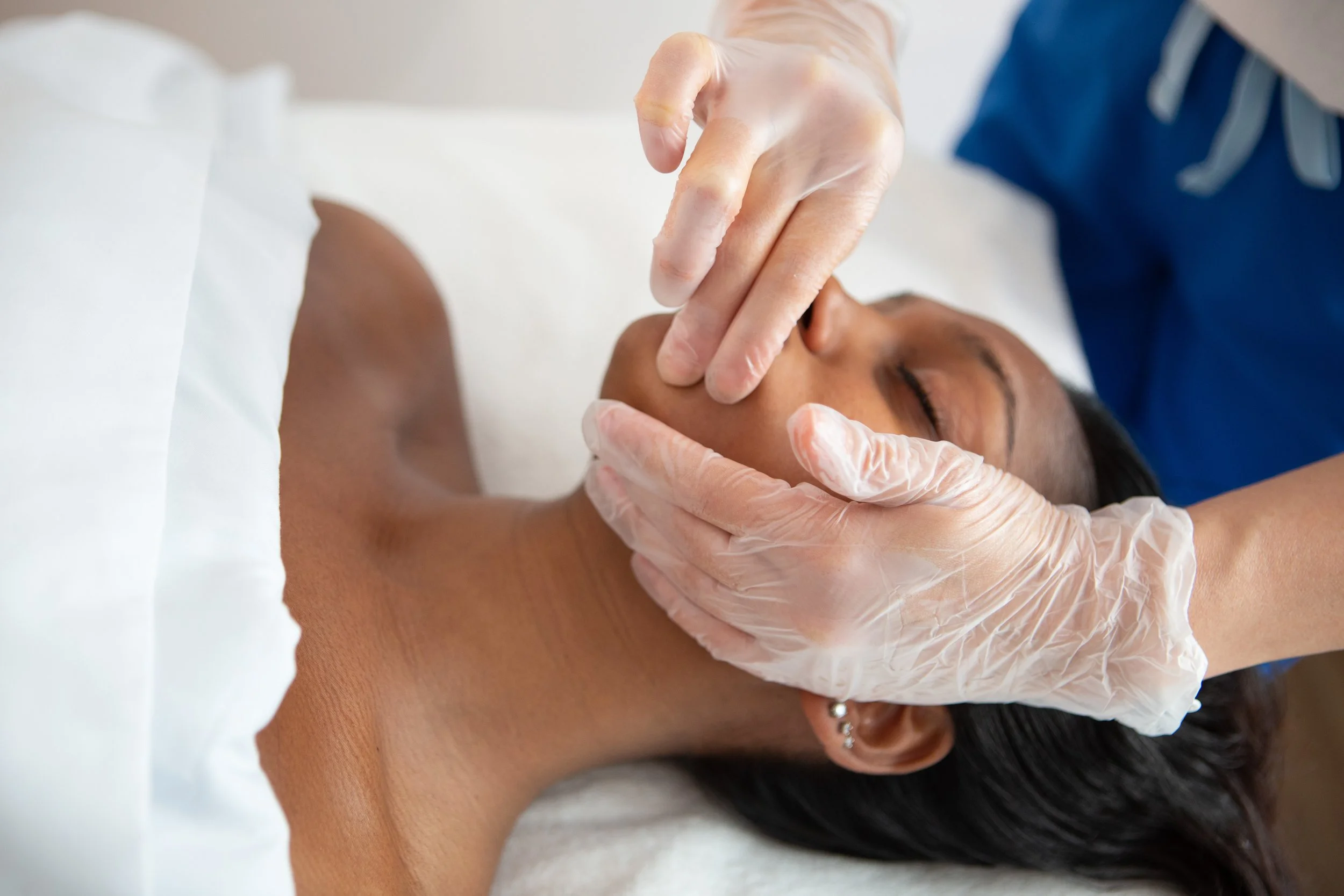
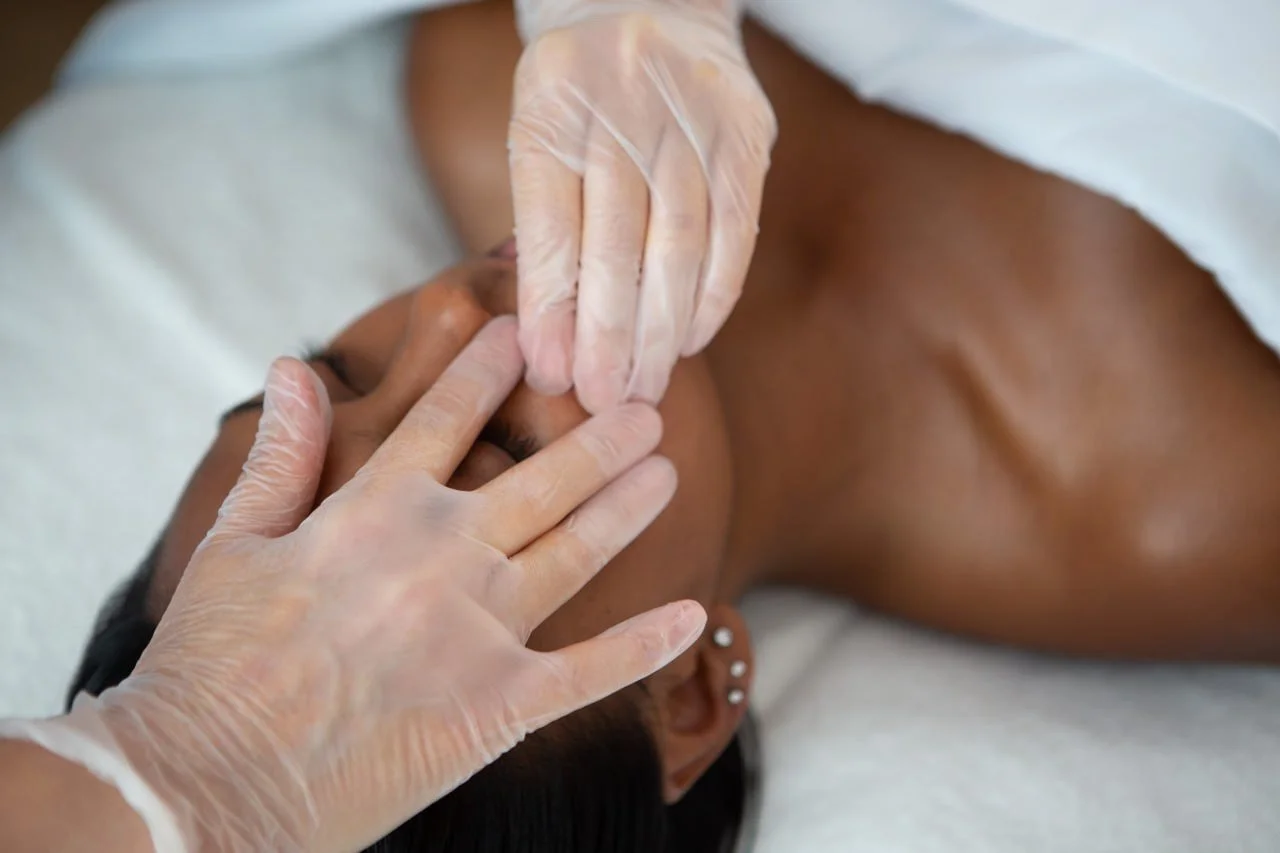
Because buccal massage doesn't freeze anything. It doesn't fill anything. Nobody is injecting anything. Nothing is being added. The treatment focuses on muscles, connective tissue, circulation, tension patterns, and facial mobility.
Some work is performed from inside the mouth, which sounds unusual because, frankly, it is unusual. But facial muscles are unusual too. They're one of the only muscle groups in the body that attach directly into the skin. Which means tension shows up on your face whether you want it to or not.
Buccal massage works with those deeper structures rather than trying to add or subtract something from the face.
Different objective entirely.
Results, Risks, and Recovery
Here's where things get interesting and where social media occasionally creates unrealistic expectations.
Botox can produce noticeable changes fairly quickly. Filler can produce even faster changes. Sometimes people walk out of a clinic looking visibly different the same day. Some clients love that. Others don't. Depends on what they're looking for.
But injectables come with tradeoffs. Bruising happens. Swelling happens. Occasional asymmetry happens. Most of the time things go smoothly. Very smoothly, actually. Still, any procedure involving needles carries some level of risk. That's just reality.
Buccal massage lives in a different category.
There's no recovery period. No downtime. No swelling that keeps you home. Most people leave looking slightly refreshed rather than transformed. And that's an important distinction.
People searching for "buccal massage alternative botox" online often expect identical results. They're usually disappointed if that's their expectation. Because the goal isn't identical results — the goal is different results. Less puffiness. Less facial tension. Better circulation. More definition in certain areas. A face that appears more rested.
Sometimes clients struggle to describe the change. They'll say things like, "I just look better". Which is wonderfully vague but surprisingly common.
Botox and filler tend to change the face. Buccal massage tends to help the face function better.
Choosing the Right Approach
The choice depends far more on personality than people realize.
Some people love injectables. They know exactly what bothers them. They want targeted correction. They want predictable structural changes. Perfectly reasonable.
Other people don't want anything injected into their faces. Also perfectly reasonable. Most clients interested in a natural facelift vs filler Manhattan approach fall into that second group. They're not necessarily anti-Botox. They're not anti-filler. They simply prefer starting somewhere else. A more conservative route. A more natural route. Or maybe they're curious about what's happening underneath the skin before deciding whether they need anything injected at all. That's actually becoming more common.
People are starting to understand that facial aging isn't only about wrinkles. It's posture, muscles, tension, fascia, circulation, sleep, stress, jaw clenching. Good luck living in New York without jaw clenching at least occasionally. The city practically encourages it.
And when those underlying issues improve, people are often surprised by how much their appearance changes without adding volume or restricting movement. Not overnight but noticeably.
Conclusion
It always depends who's asking.
A 32-year-old with chronic jaw tension isn't looking for the same thing as a 58-year-old concerned about volume loss. A person who hates needles isn't looking for the same solution as someone who gets injectables twice a year and loves them.
Different goals, different solutions.
That's why the entire buccal massage vs botox NYC debate often feels strange — it's based on the assumption that these treatments are trying to accomplish the same thing. Most of the time, they aren't.
The better question is: What exactly are you hoping to change? Once you answer that, the options become much clearer. And sometimes the answer turns out to be simpler than expected. Not another syringe. Not another serum. Just muscles that have been holding on to twenty years of tension and finally get permission to let go.