
The Anatomy of Facial Aging: Why Muscles Matter More Than Skin
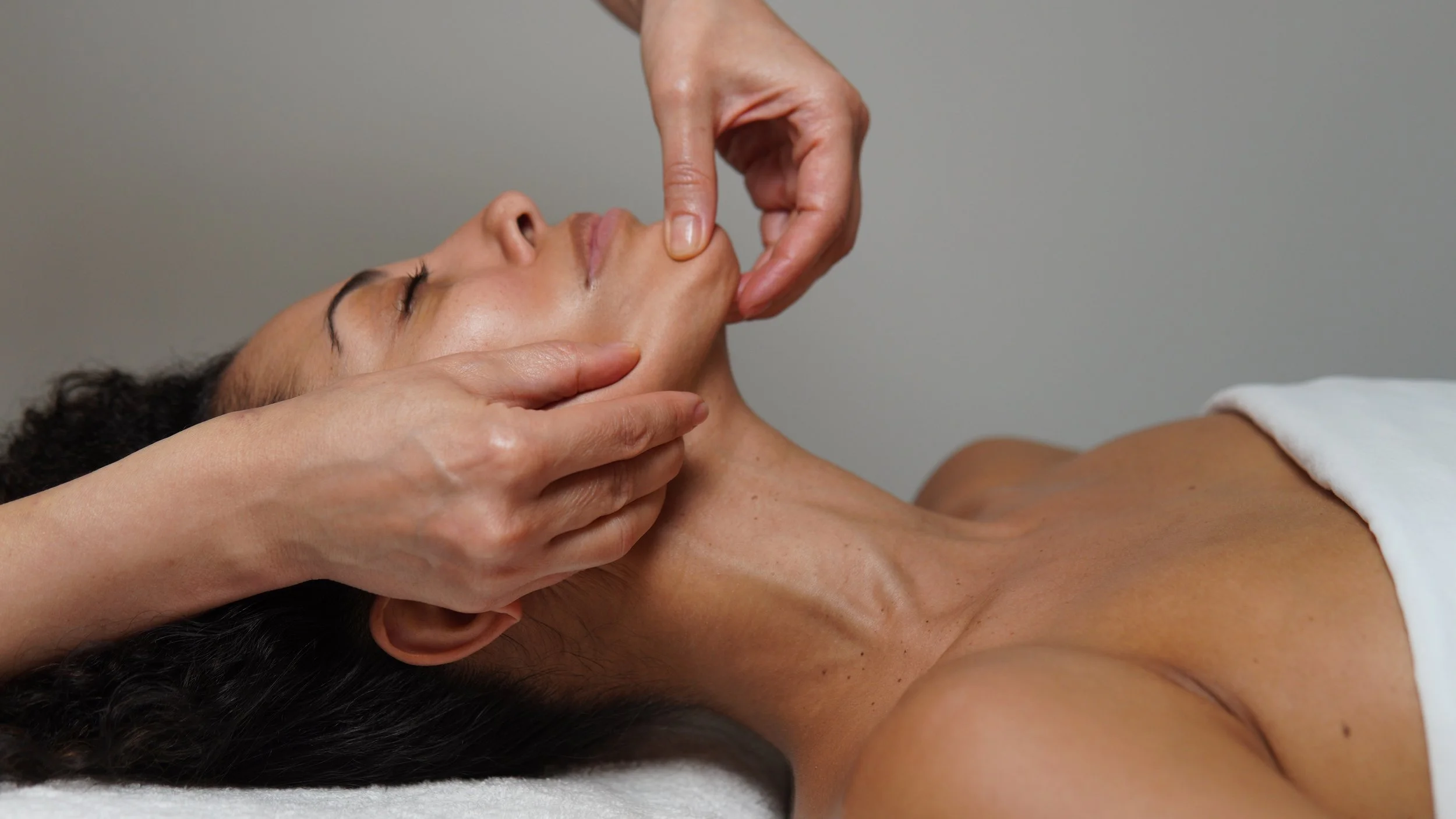
Most people blame their skin. Wrinkles appear? Must be the skin. The jawline starts looking a little softer? Skin again. Cheeks don't sit where they used to? Definitely skin.
The skincare industry has done a spectacular job convincing us that aging happens primarily on the surface. Creams, serums, masks, oils, treatments. Layer after layer after layer. Open a bathroom cabinet in Manhattan and there's a decent chance you'll find enough skincare products to supply a small laboratory.
And yet.
People often spend years focusing exclusively on their skin while something much bigger is happening underneath. Literally underneath. Because facial aging isn't just a skin story. Not even close.
Skin matters, of course. Collagen production slows. Elasticity decreases. Sun exposure accumulates. Gravity continues showing up every single day. But muscles matter too. A lot more than most people realize.
In fact, when clients come to SENSO asking about facial aging muscles NYC specialists discuss every day, they're often surprised to learn that many visible signs of aging begin beneath the skin rather than on top of it.
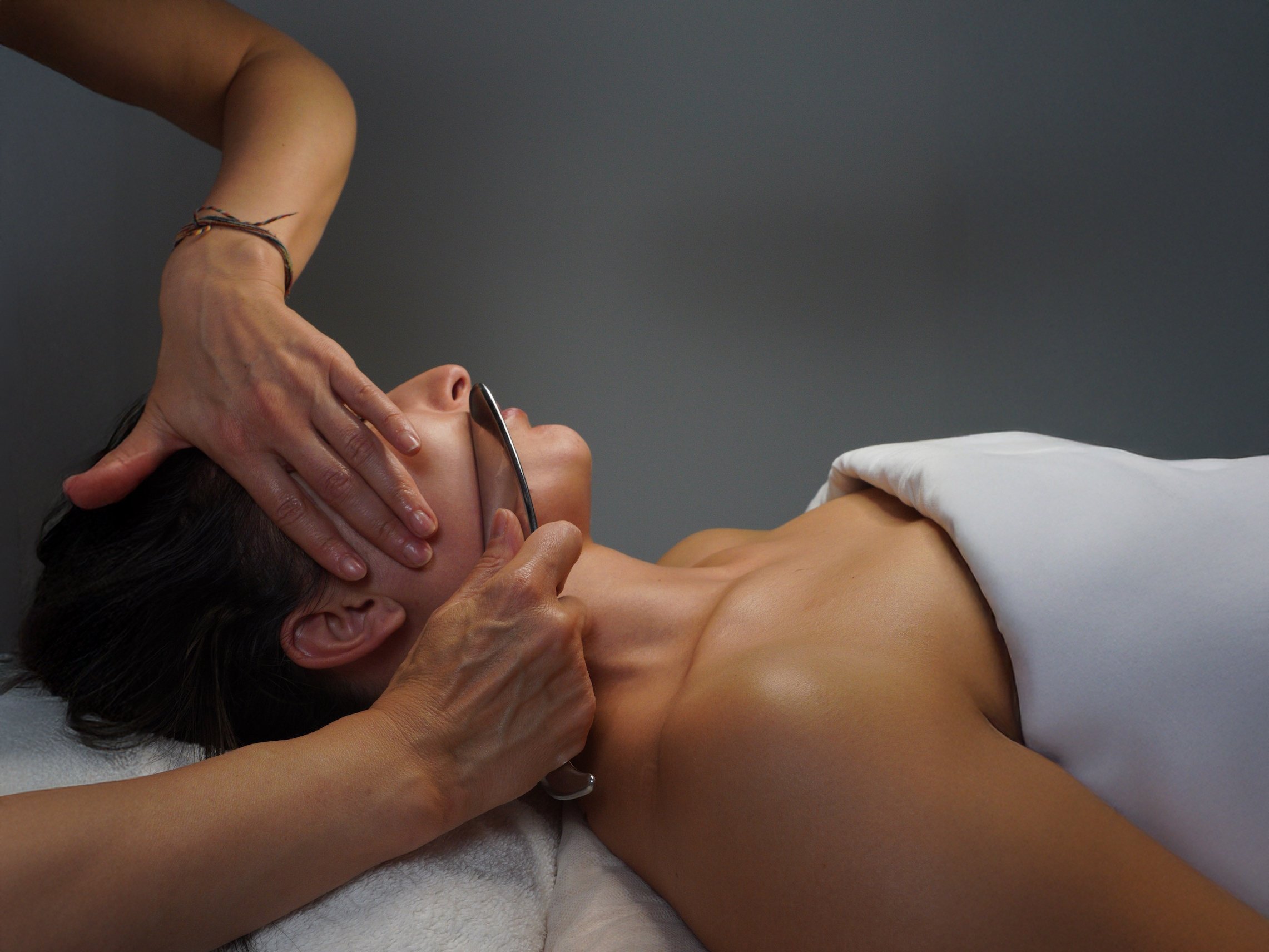
How Muscles Shift and Atrophy Over Time
Here's something most people never think about. Your face contains dozens of muscles working almost constantly. Talking. Smiling. Frowning. Chewing. Squinting at emails you didn't want to receive. The average New Yorker probably gets a facial workout before lunchtime. These muscles don't remain unchanged forever.
As we age, some muscles become chronically tight while others weaken. Certain areas lose tone. Others compensate. Small imbalances gradually become larger ones. And the process is sneaky. Nobody wakes up one morning and discovers their facial structure has suddenly changed overnight. It's gradual. Year after year. Millimeter by millimeter.
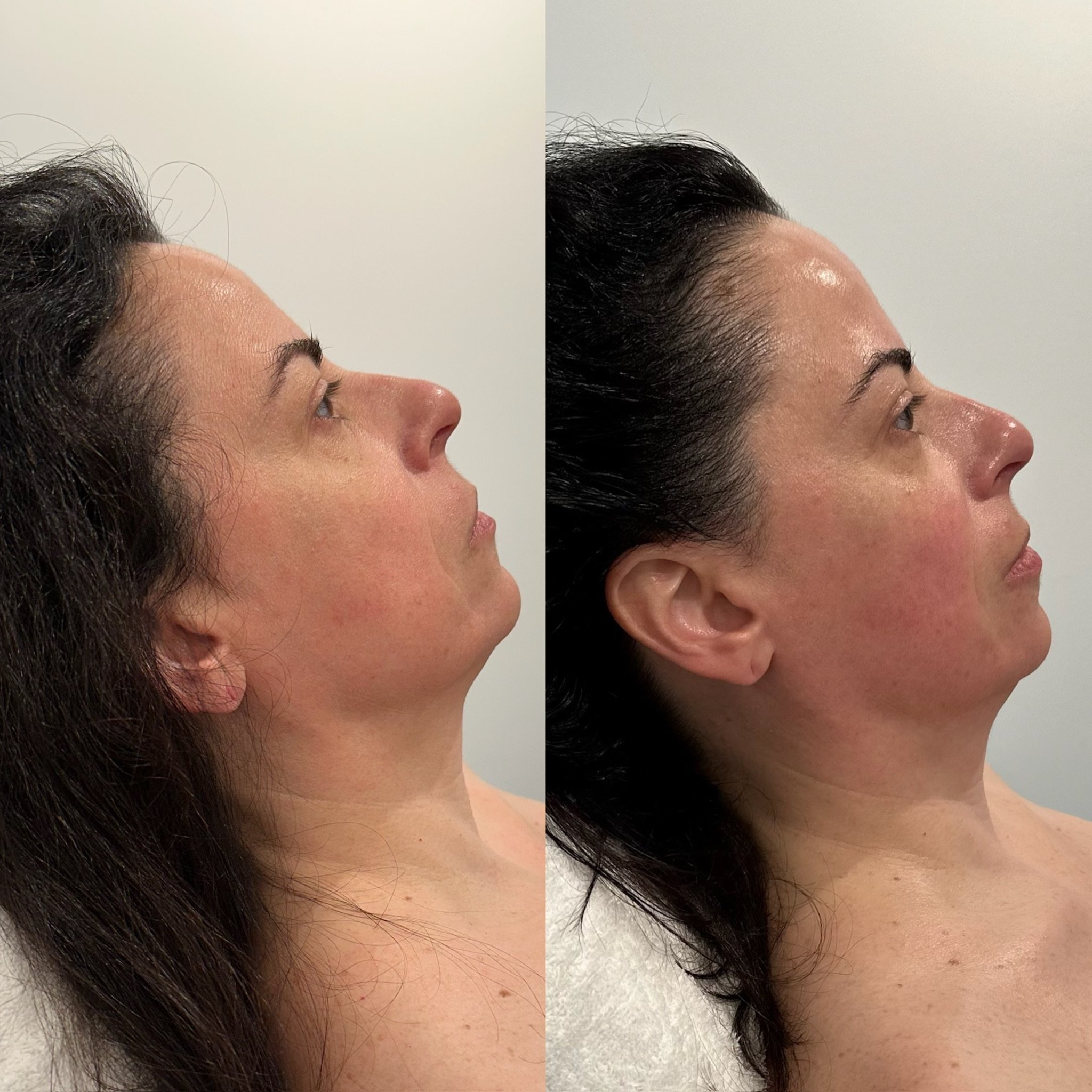
The cheeks may appear flatter. The jawline less defined. The corners of the mouth slightly lower. Puffiness becomes more noticeable. Features that once looked balanced start looking different. Not worse, necessarily — just different.
When people search for answers about why face sags Manhattan specialists frequently explain that sagging isn't caused by a single factor. It's the result of multiple structural changes happening simultaneously.
Skin changes. Fat pads shift. Connective tissues loosen. Muscles weaken or tighten. Everything influences everything else. The face is less like a collection of separate parts and more like a neighborhood. If one building changes, the entire block feels it.
Why Skincare Alone Cannot Reverse Sagging
Now here's the part that occasionally disappoints skincare enthusiasts. And before anyone gets upset, skincare is important. Very important.
Healthy skin looks better. Functions better. Ages better. But skincare products have limitations. A serum can improve hydration. A moisturizer can support the skin barrier. Certain ingredients can encourage collagen production.
All good things.
But a cream cannot strengthen a weakened facial muscle any more than hand lotion can improve your squat form. Different layer, different job. Sometimes clients arrive carrying years of frustration. They've tried expensive products. Luxury brands. Viral trends. Things recommended by influencers who appear to have discovered the secret to eternal youth while filming videos in perfect lighting.
Yet the jawline still looks softer. The cheeks still seem lower. The facial contours still don't look the way they remember. That's because many age-related changes originate below the surface.
Imagine repainting a house while ignoring the foundation. The paint may look wonderful. The structural issue remains.
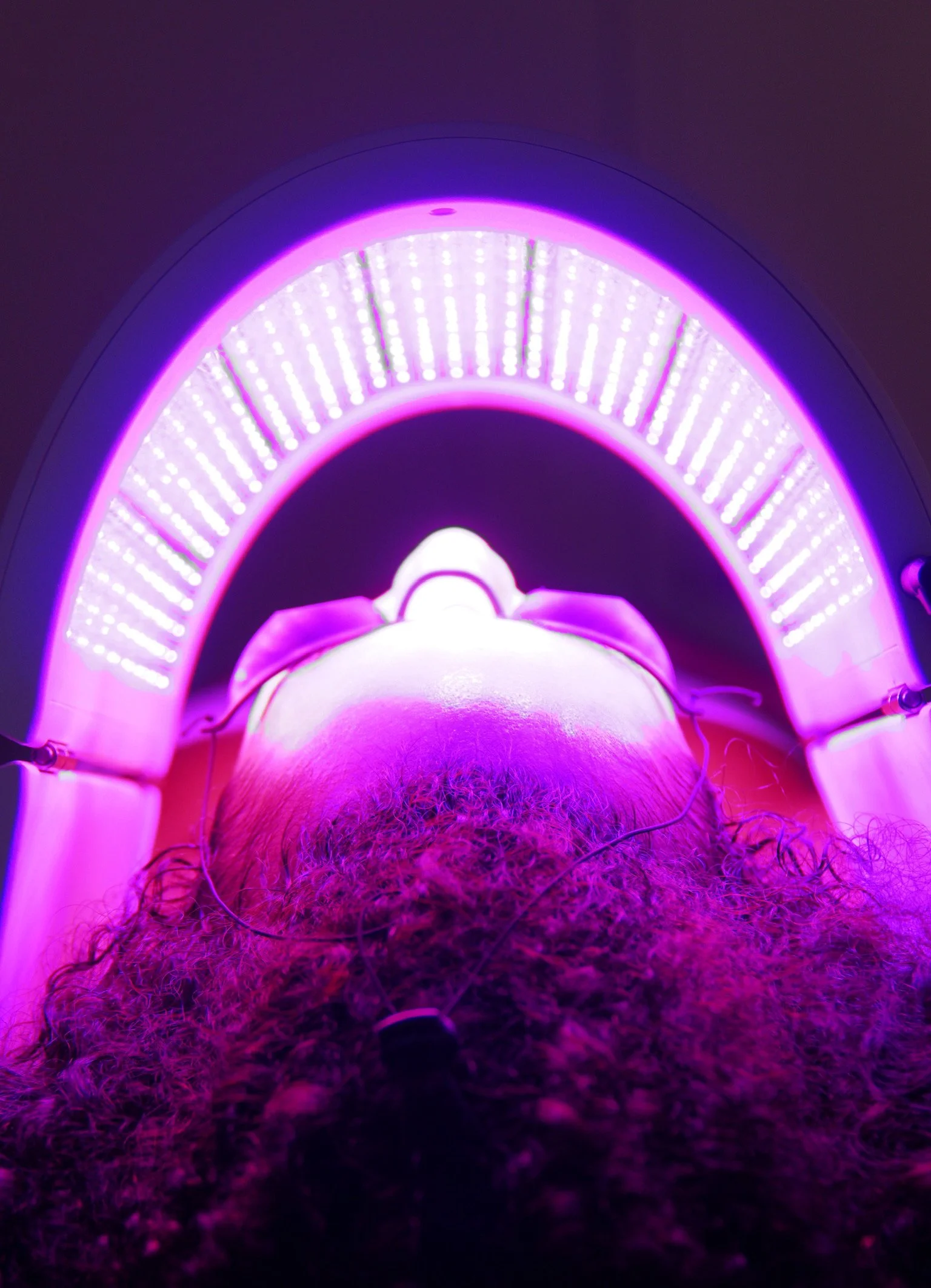
This is why modern facial rejuvenation conversations increasingly include muscle health, fascia, circulation, lymphatic function, and facial mechanics — not just skincare ingredients. The industry is finally paying attention to what's happening underneath. About time, honestly.
Why Skincare Alone Cannot Reverse Sagging
Now here's the part that occasionally disappoints skincare enthusiasts. And before anyone gets upset, skincare is important. Very important.
Healthy skin looks better. Functions better. Ages better. But skincare products have limitations. A serum can improve hydration. A moisturizer can support the skin barrier. Certain ingredients can encourage collagen production.
All good things.
But a cream cannot strengthen a weakened facial muscle any more than hand lotion can improve your squat form. Different layer, different job. Sometimes clients arrive carrying years of frustration. They've tried expensive products. Luxury brands. Viral trends. Things recommended by influencers who appear to have discovered the secret to eternal youth while filming videos in perfect lighting.
Yet the jawline still looks softer. The cheeks still seem lower. The facial contours still don't look the way they remember. That's because many age-related changes originate below the surface.
Imagine repainting a house while ignoring the foundation. The paint may look wonderful. The structural issue remains.
This is why modern facial rejuvenation conversations increasingly include muscle health, fascia, circulation, lymphatic function, and facial mechanics — not just skincare ingredients. The industry is finally paying attention to what's happening underneath. About time, honestly.

What Professional Massage Targets at the Muscle Level
Professional facial massage isn't simply relaxation. Although relaxation is certainly a nice bonus.
The real goal involves restoring balance within the deeper structures of the face:
Tight muscles can be encouraged to release
Underactive areas can be stimulated
Circulation improves
Lymphatic drainage improves
Tissue mobility improves
The face starts functioning more efficiently. Think about carrying a heavy backpack on one shoulder for years — eventually your posture changes. Certain muscles overwork. Others weaken. The solution isn't simply applying lotion to your shoulders.
The underlying mechanics need attention. Facial structures behave similarly.
Professional anti-aging facial massage NYC clients seek often focuses on these deeper relationships between muscles, fascia, circulation, and facial symmetry. The changes aren't overnight transformations. Anyone promising that should probably be approached with caution. Instead, improvements tend to appear gradually:
A more defined jawline
Reduced tension around the mouth
Less puffiness
Better facial balance
Improved contours
A fresher appearance that people notice without necessarily understanding why. Which is often the perfect result. Someone says, "You look great". Not, "What procedure did you have?"
There's a difference. And many people prefer it.

Conclusion
Facial aging is often discussed as if it's purely a skin issue. The reality is considerably more complicated — and honestly, more interesting.
Your skin matters. But so do your muscles. So does fascia. So does circulation. So does lymphatic flow. Everything works together — when one layer changes, the others respond. That's why a comprehensive approach to facial rejuvenation looks beyond the surface and considers the entire structure of the face.
At SENSO, we help clients understand the deeper causes behind visible aging and explore non-invasive approaches that support facial function as well as appearance.
Because sometimes the answer isn't another product. Sometimes it's understanding what lies underneath the skin in the first place. And once you see the face that way, aging starts making a lot more sense