
The 28-Day Skin Cycle: Why Timing Your Facial Matters
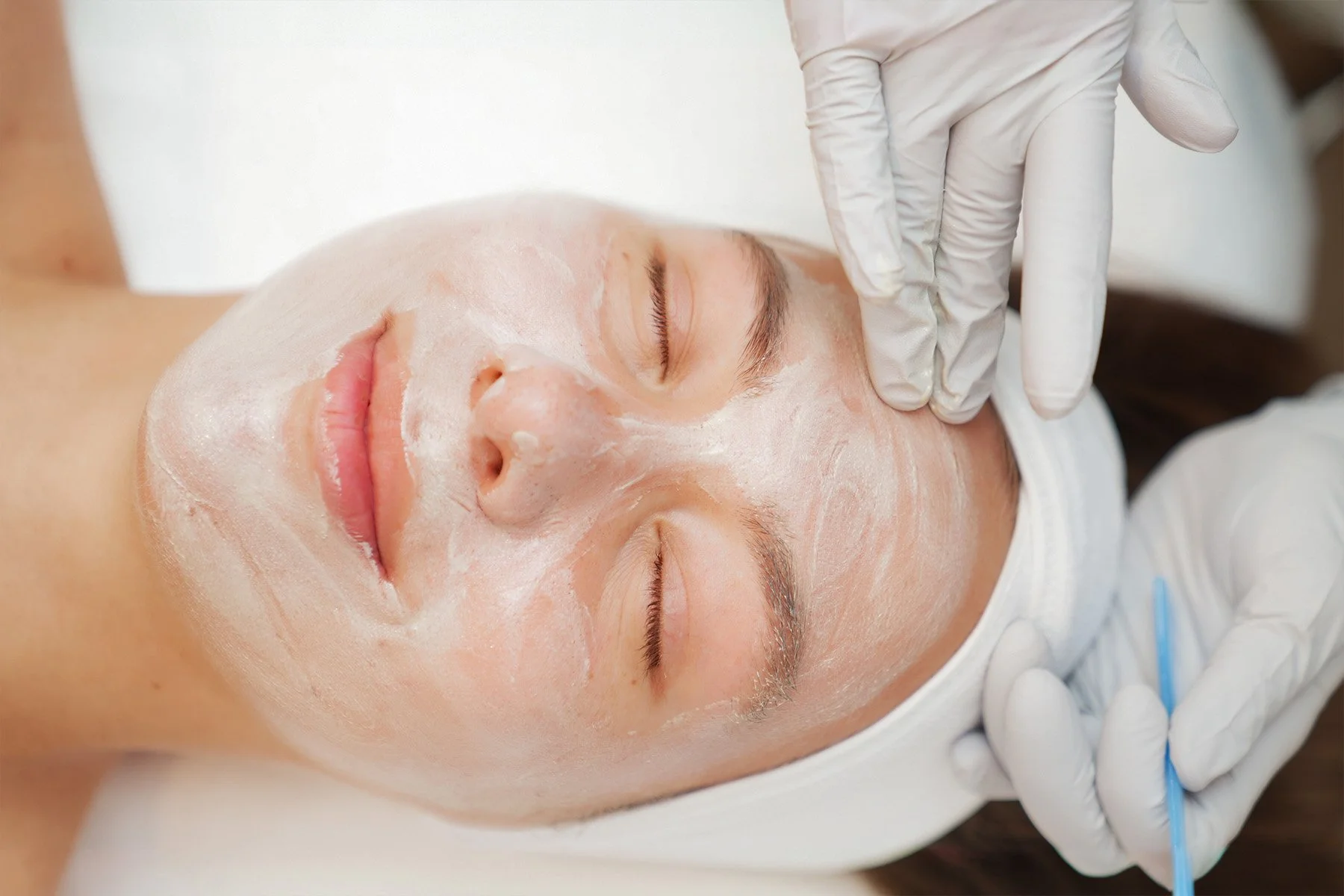
One of the most persistent myths in aesthetics is that skin operates like a light switch. You do a treatment. Something happens. Done. Next topic.
If only.
Every day, thousands upon thousands of cells are moving through a carefully orchestrated renewal process. New cells form. Older cells migrate upward. Eventually they reach the surface and are shed.
This process, commonly referred to as the skin renewal cycle NYC professionals discuss so often, helps determine how smooth, bright, resilient, and healthy the skin appears. Yet many people unknowingly disrupt that cycle while simultaneously wondering why their expensive treatments aren't delivering consistent results.
And timing matters a lot.
A facial isn't just about what happens during the appointment. It's about where your skin happens to be in its own biological rhythm when that appointment occurs. That's the part people tend to overlook.
How Keratinocytes Renew and What Disrupts the Cycle
Keratinocytes are the primary cells that make up the epidermis, the outermost layer of the skin. They begin their journey deep within the basal layer, where new cells are continuously produced.
From there, they slowly migrate upward. Very slowly. As these cells travel toward the surface, they mature, transform, flatten, and eventually become part of the skin's protective barrier. At the end of the process, they are shed and replaced by newer cells.
In young, healthy skin, this cycle generally takes about twenty-eight days. What matters is that this renewal process is responsible for maintaining skin quality over time.
Fresh cells arrive. Older cells leave. The system remains balanced until something interferes. And modern life is exceptionally talented at interfering:
Stress
Poor sleep
Excessive sun exposure
Smoking
Inflammation
Aggressive skincare routines
Air travel
Hormonal changes
A winter windstorm coming off the Hudson that feels personally offended by your existence
All of these factors can affect cellular turnover. Sometimes the cycle slows down. Dead cells accumulate. The complexion appears dull, texture becomes uneven. Products stop performing the way they should.
Other times the cycle accelerates in unhealthy ways, often leading to irritation, sensitivity, or barrier dysfunction. This is one reason patients occasionally tell us they're using six active ingredients, three serums, two acids, and somehow their skin has never looked worse.
More isn't always better. The skin has opinions. Strong ones. And it tends to express them eventually.
One of the most overlooked truths in aesthetic medicine is that skin health isn't just about stimulation. It's also about timing, recovery, and respecting biology's pace. The body generally dislikes being micromanaged.
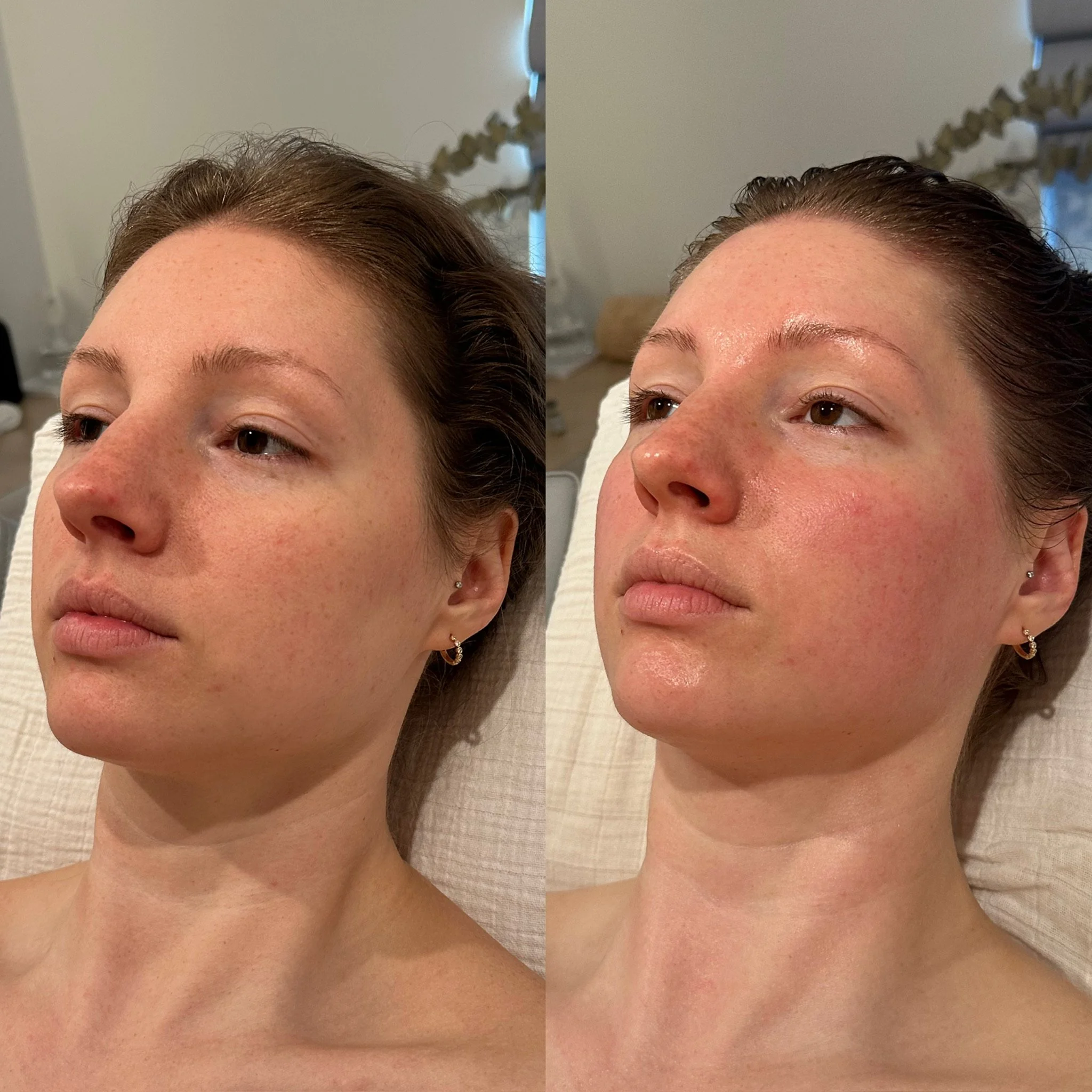
The Optimal Window for Professional Treatment
Here's where things become particularly relevant for facial treatments.
Most people schedule appointments according to convenience — lunch break, Friday afternoon, a free Saturday. Nothing wrong with that. Life is busy. But from a biological perspective, there are certain patterns worth considering.
Professional treatments work best when they're supporting the skin's natural processes rather than competing with them.
When cellular turnover is functioning efficiently, treatments designed to improve texture, hydration, circulation, and renewal often produce more predictable outcomes. This is one reason many experienced practitioners recommend regular treatment intervals rather than sporadic appointments.
Patients often come in after six months away and ask whether a single facial can undo everything. We admire the optimism but skin isn't a tax refund. Consistency usually wins.
For many individuals, a professional treatment every four to six weeks aligns well with the natural rhythm of epidermal renewal. This timing allows practitioners to assess changes, address emerging concerns, and support the next phase of the cycle.
Biology tends to appreciate rhythm.
At SENSO, years of clinical experience working with diverse skin types have reinforced a simple observation: clients who follow a structured treatment schedule generally achieve more stable, longer-lasting improvements than those who approach skincare as a series of isolated rescue missions. No surprise there.
The body responds remarkably well to consistency.
Another point worth mentioning: the optimal treatment window isn't identical for everyone. Age matters. Skin condition matters. Lifestyle matters. A 28-year-old investment banker surviving on espresso and determination may have different needs than a 55-year-old dealing with hormonal changes and chronic dryness. Both live in Manhattan. Very different skin stories.
The goal isn't following a universal rule — it's understanding your skin's rhythm and working with it rather than against it.
Building a Maintenance Protocol That Delivers Results
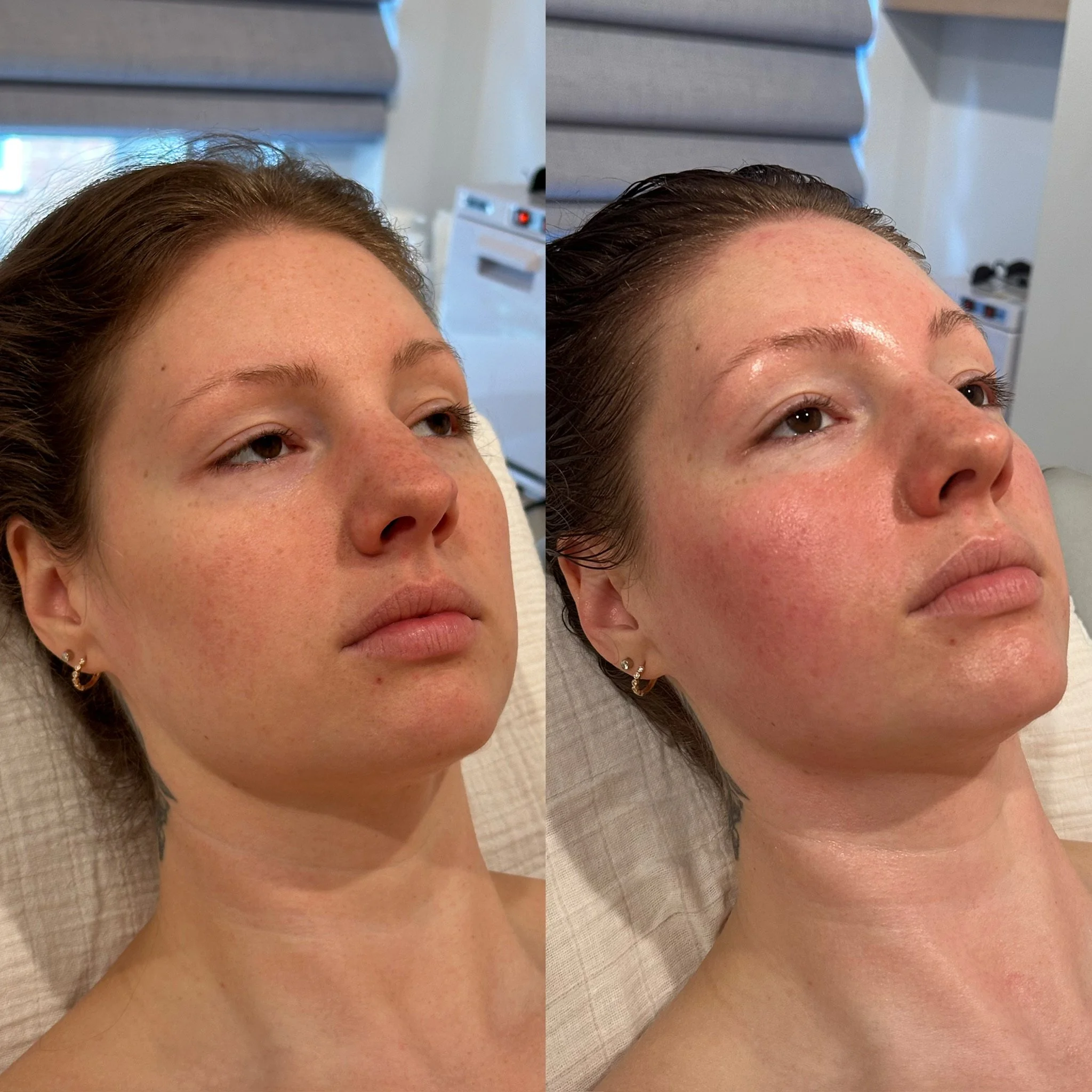
This is where many people lose interest. Not because maintenance is ineffective — because it sounds less exciting than transformation. Unfortunately, maintenance is often where the real results happen.
The most successful skincare strategies typically involve three components:
Professional treatment
Appropriate home care
Enough patience to allow biological processes to do their job
That last one is surprisingly difficult. We live in a city where groceries arrive in fifteen minutes and people become irritated if an elevator takes longer than twenty seconds. Cellular turnover remains stubbornly unconcerned with our preferences.
For most individuals, a sustainable facial schedule Manhattan practitioners often recommend includes professional treatments every four to six weeks combined with a simplified home routine. Simplified, not complicated. A good cleanser. Appropriate hydration. Daily sun protection. Targeted active ingredients selected for actual needs rather than social media trends.
The goal is supporting the skin renewal cycle NYC experts understand so well — not constantly disrupting it with new experiments every Tuesday.
Many patients use products that appear to have been selected through a combination of internet recommendations, midnight impulse purchases, and mild panic. Their bathroom shelves resemble a chemistry department experiencing a management crisis — the skin usually responds accordingly.
A maintenance protocol should feel sustainable. Predictable. Then patients notice how their skin improves. Not overnight but steadily. Month after month. The complexion becomes more even, texture softens, hydration stabilizes. Treatment outcomes become more consistent because the underlying biology is functioning more efficiently. That's the part marketing campaigns rarely emphasize.
Healthy skin isn't usually the result of one extraordinary decision. It's the result of many ordinary decisions repeated consistently.
Conclusion
Skin cycle isn't just a piece of skincare trivia. It's a biological process that influences virtually every aspect of skin health, from texture and brightness to treatment outcomes and long-term resilience. Understanding that process changes how we think about professional care.
Facials aren't isolated events — they're checkpoints within an ongoing cycle. Moments of support. Moments of correction. Occasional moments when somebody gently reminds your skin how to do its job a little more effectively.
The skin doesn't reward dramatic bursts of effort nearly as much as it rewards regular attention. It's not a project to complete. It's a living system to support. And when you learn to work with its natural rhythm instead of constantly trying to outsmart it, the results tend to arrive with far less struggle.