
Body Contouring Without Surgery: What Manual Sculpting Can and Cannot Do
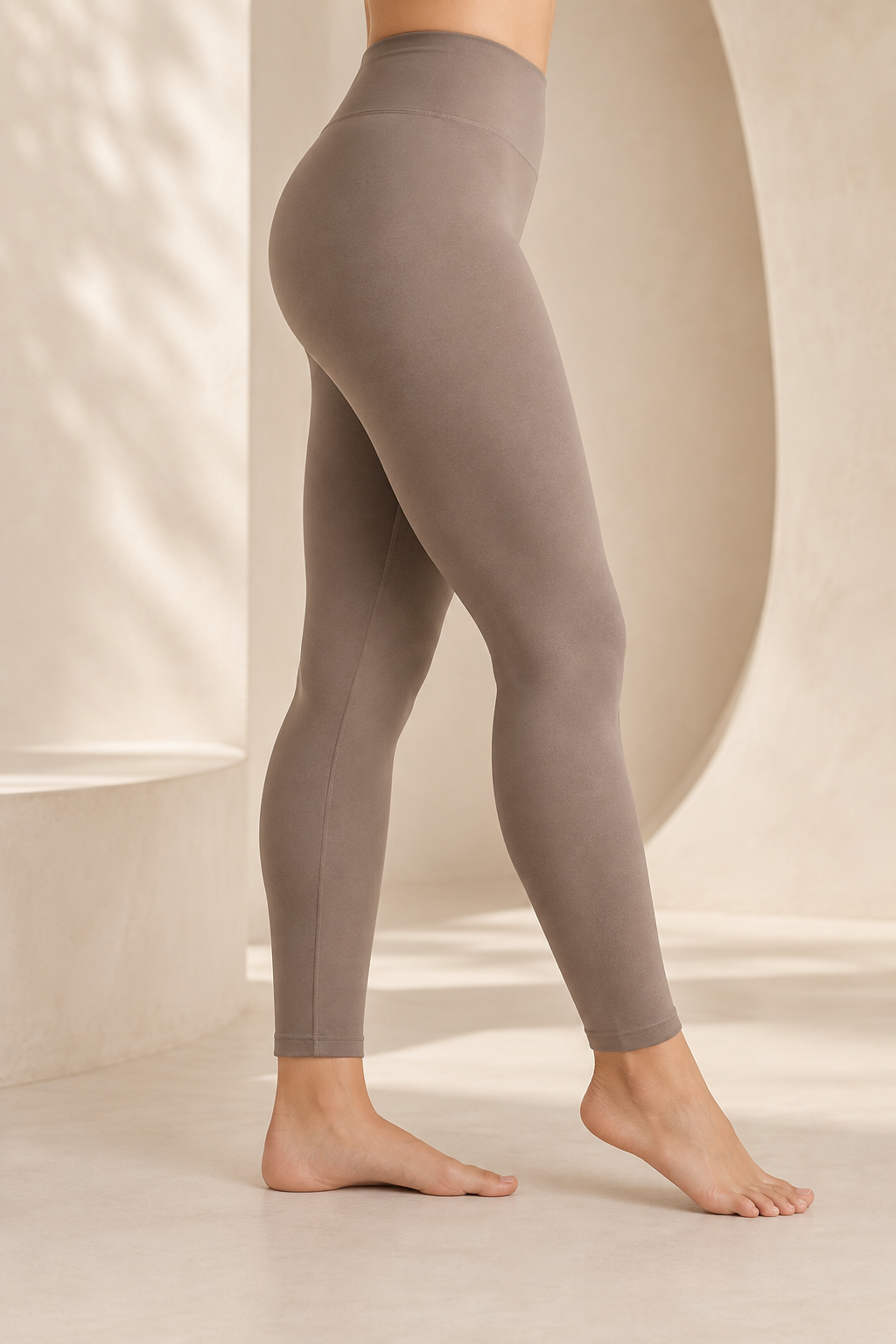
Search for non-surgical body contouring and you will find befores and afters that quietly promise the results of liposuction with none of the surgery. That promise is the problem. It sets people up to judge a genuinely useful treatment against a standard it was never built to meet, and then to feel cheated when their body looks improved rather than transformed. The honest version is less dramatic and far more useful, so it is worth laying out plainly what manual sculpting actually does to the body, and then, just as plainly, where it stops.
A non-surgical body contouring in NYC treatment works with your tissue, not against it, and that phrase is doing real work rather than decoration. It works with fluid retention, soft-tissue tension, and the body's existing contours to create a lighter, smoother, and more defined appearance. It does not remove tissue, because nothing performed by hand can. Holding both halves of that in view is the only way to book the treatment for what it is.
What Manual Contouring Actually Changes in Tissue
Manual body sculpting combines hands-on sculpting techniques, myofascial work, and lymphatic-focused techniques to reduce puffiness, address soft-tissue tension, improve tissue mobility, and refine the body's natural contours. It is worth being specific about what is genuinely moving underneath, because the changes are real even though they are not surgical.
Three things respond to skilled manual work, and none of them involve removing anything:
Fluid. Fluid retention can contribute to heaviness, puffiness, and a less defined outline. Lymphatic-focused manual work can help reduce that fullness, leaving the area looking lighter and more defined.
Fascia and tension. Soft tissues can feel tight or restricted, and myofascial techniques can improve mobility, ease, and tissue glide, allowing the body's natural contours to appear less compressed and more balanced.
Circulation and skin tone. Manual work can increase local circulation and leave the skin and underlying tissue looking smoother, more refreshed, and more toned after treatment.
Together, these effects can create a visible refinement: less puffiness, smoother-looking tissue, better definition, and a lighter overall appearance. Some clients may also notice a smoother appearance in areas where puffiness, tissue tension, or surface irregularity contribute to the look of cellulite. Clients describe the work as both deeply relaxing and precisely sculptural at once, and one who valued the tension release and the focused attention to drainage noted that the fuller effect came from taking a proper course and pairing the facial and body work together rather than expecting everything from a single visit. That combination of relaxation and precision is the signature of the technique done well, and it comes from a practitioner reading the tissue continuously. This reflects the broader SENSO approach: precise, responsive manual work that adapts continuously to the tissue and the client's goals.
The results are genuine. They are also, by their nature, something you maintain rather than bank permanently, because the body is dynamic, results naturally evolve with movement, lifestyle, fluid balance, and tissue tension. Regular sessions can help maintain the lighter, more defined feeling achieved through treatment. That need for maintenance is not a weakness of the method; it reflects the fact that manual sculpting works with living, changing tissue rather than removing or permanently repositioning it.
Where It Stops and When Surgery Would Be the Only Option
Here is the line the marketing blurs, and it is worth drawing sharply. Manual contouring can influence fluid-related puffiness, soft-tissue tension, mobility, circulation, and the visible appearance of the skin and body contour. It does not remove fat, and it cannot cut away or physically reposition tissue. When the concern is genuine excess fat or significant loose skin, hands cannot resolve it, and no honest number of sessions will.
Laid out directly, the distinction is not complicated:
| Manual sculpting can | Manual sculpting cannot |
|---|---|
| reduce puffiness and fluid-related fullness | remove fat from the body |
| address soft-tissue restriction and improve mobility and definition | excise or reposition tissue surgically |
| support local circulation and a smoother, more toned appearance | tighten significant skin laxity |
| soften the appearance of some surface irregularity | deliver a permanent, fixed change |
| refine and maintain your natural shape | replace liposuction or a surgical procedure |
So the honest guidance runs like this. If your concern is puffiness, heaviness, soft-tissue tension, reduced definition, or a desire for a smoother and more refined appearance, manual sculpting may be a very good fit. If your concern is a stubborn pocket of actual fat that persists regardless of diet and exercise, or skin that hangs loose after major weight change or pregnancy, those are structural issues, and a surgical consultation is the appropriate route. Manual sculpting can still improve comfort, puffiness, tissue mobility, and the appearance of the surrounding contour, but it will not remove excess fat or significant loose skin.
This is not surgery losing to hands or hands losing to surgery. They operate on different problems entirely, and the mistake in both directions is real: asking manual work to do a surgeon's job leaves you disappointed. Likewise, when the concern is primarily puffiness, soft-tissue tension, or loss of visible definition, a conservative manual approach may be worth exploring before considering a more invasive option.
Setting Expectations before You Book
The people who are happiest with manual contouring are, almost without exception, the ones who arrived with an accurate picture of what it does. So before you book, it helps to sit honestly with a few things.
Be clear about what you are actually trying to change. Reduced puffiness, improved definition, smoother-looking tissue, relief of tension, and a lighter feeling in the body are all realistic goals for manual sculpting. Removing fat or tightening loose skin is not, and no framing of body contouring realistic results will make it so. Knowing which category your concern falls into tells you immediately whether you are booking the right treatment or the wrong one.
Expect a process rather than an event. Results often become more consistent when the work is repeated over a course rather than treated as a one-time event. This is why manual sculpting is often approached as a course rather than a single fix, especially when the goal is ongoing support for puffiness, tissue tension, and body definition. Expect, too, that what you do between sessions matters: hydration, regular movement, sleep, and everyday lifestyle habits can all influence how the body feels and how well the results are maintained between sessions.
And expect the treatment to be shaped to you. Every session opens with a consultation and a plan built around your body and your goals, because where puffiness, tension, or restriction is most apparent, where the tissue benefits from more mobility, and how it responds during the session differ from one person to the next.