
How Stress Shows Up on Your Face
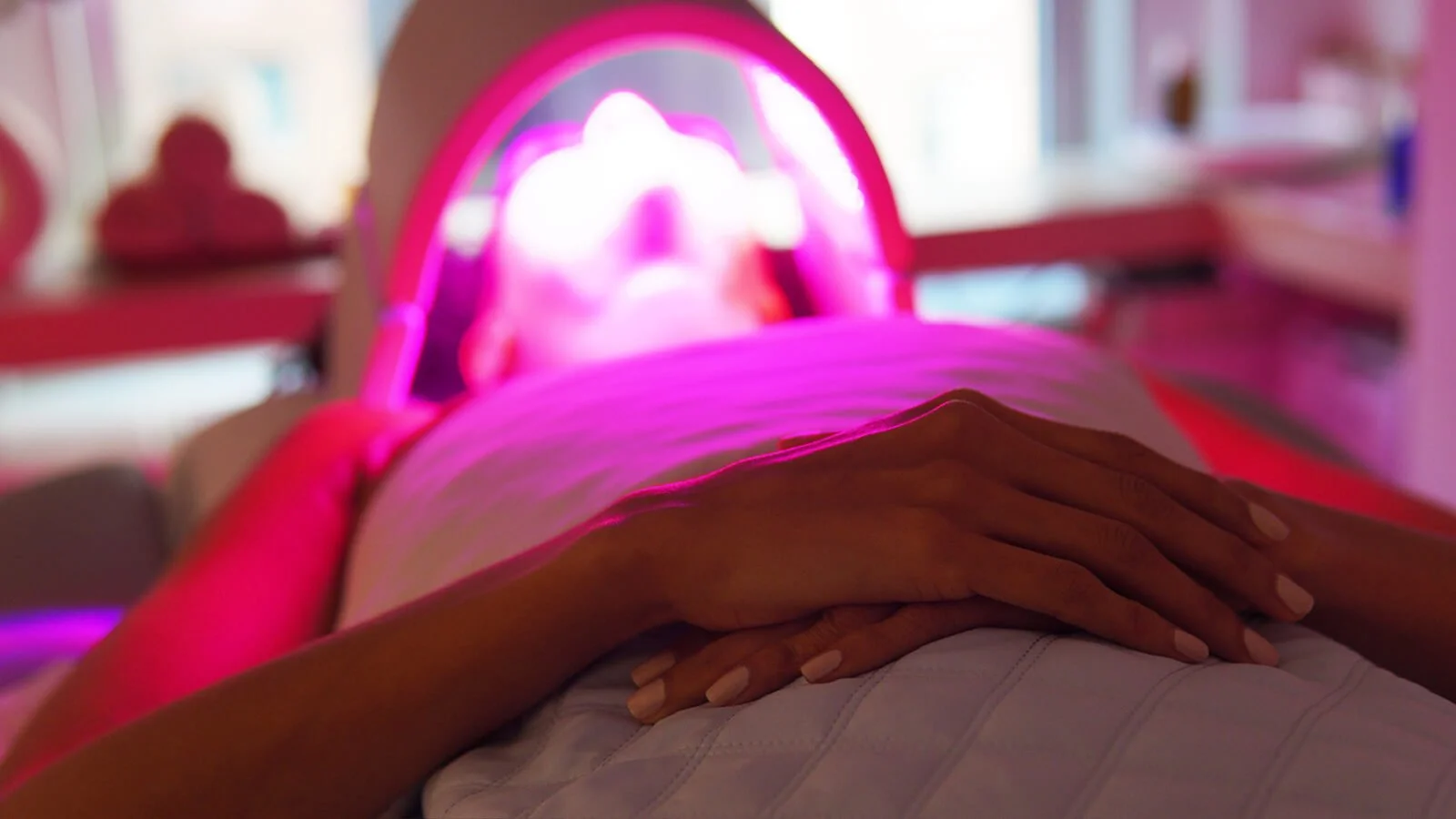
Stress rarely stays invisible.
Sometimes it appears as a tight jaw. Sometimes it sits between the brows. Sometimes it shows up as dull skin, puffiness, redness, or a face that looks guarded even after a full night of sleep.
Most people notice the surface first: the tired eyes, the flatter expression, the slight heaviness around the mouth. But stress affects the face through several deeper systems at once. It changes muscle tone. It alters blood flow. It influences breathing, posture, sleep quality, inflammation, and the way we use facial expressions in everyday communication.
The face becomes a record of what the body has been carrying.
The Face Is Connected to the Stress Response
The face is not separate from the nervous system. It is one of the body’s main communication tools.
Facial expressions help us show emotion, read other people, and adjust during social interaction. Research describes facial expression as visible movement created by specific facial muscle activity, and interpreting emotion from the face depends on complex brain processing that also uses context and memory.
That matters because stress changes both sides of this process. It can change how you read other people’s faces, and it can change what your own face sends out.
During stress, the body prepares to respond. Heart rate may rise. Breathing may become shallower. Muscles may brace. The face joins that response quietly.
Common signs include:
tightened jaw
pressed lips
furrowed brows
tense temples
narrowed eyes
less natural smiling
flushed cheeks or blotchy redness
puffiness around the eyes or lower face
None of these signs means something is “wrong” with your face. They are normal body signals. The problem begins when stress stops being temporary and becomes your daily setting.
Why the Jaw Often Shows It First
The jaw is one of the clearest places stress lands.
Many people clench without noticing. Some do it while working. Others do it during sleep. Over time, the masseter muscles can become overactive, and the lower face may start to look heavier or more compressed.
A tense jaw can affect how the whole face rests. The mouth may look less relaxed. The cheeks may feel tighter. The neck may join in, especially if stress comes with long hours at a desk or shallow breathing.
A face under stress often loses softness before it loses beauty.
That difference matters. The goal is not to erase expression. The goal is to help the face release the effort it no longer needs to hold.
The Brow, Eyes, and Forehead Tell Their Own Story
Stress also appears in the upper face.
The corrugator muscle, the small muscle group involved in frowning and drawing the brows together, is closely linked with negative affect and stress response. In one study on stress-induced facial expressions, researchers found that stress increased corrugator activity at rest in some participants, meaning the “frown” muscle became more active even without an emotional image being shown.
That is exactly what many people see in the mirror: the face looks serious, tired, or tense, even when they are not consciously upset.
The eyes can change too. Stress often affects sleep, hydration, and fluid balance, which can make the under-eye area look swollen or darker. It can also reduce the natural mobility around the eyes. A genuine relaxed expression uses more than the mouth. The eyes participate. When the nervous system is on alert, that ease is harder to access.
The face starts to look like it is listening for bad news.
Stress Can Change Facial Color and Heat
Some stress shows up through blood flow.
You may flush during embarrassment, pressure, conflict, or unwanted attention. You may also notice blotchiness during emotional strain. This happens because the autonomic nervous system affects facial blood vessels, temperature, sweating, and skin color.
A study using thermal infrared imaging found that a socially arousing moment - receiving a compliment - changed facial temperature patterns and visible redness. The cheek and forehead showed more red skin tones during the compliment condition than during more neutral conversation.
A compliment is not the same as distress, of course. But the study shows something useful: the face responds physically to social emotion. It can heat, flush, cool, tense, or shift color before we fully understand what we are feeling.
That is why stress-related redness can feel so frustrating. You cannot always think your way out of it. The body is already participating.
Stress Can Make the Face Look Puffy
Stress and puffiness often travel together.
When stress disrupts sleep, increases inflammation, or affects breathing and posture, the face may hold more fluid. The under-eyes can look swollen. The lower face can feel dense. The skin may look less clear, even if your skincare routine has not changed.
There is also a behavioral layer. During stressful periods, people often move less, clench more, drink less water, eat saltier food, sleep later, and spend longer hours looking down at screens. The lymphatic system depends partly on movement, pressure changes, and healthy tissue mobility. A stressed, still, clenched body gives the face fewer chances to clear fluid efficiently.
So the puffiness is not random. It is the visible result of several small changes happening together.
Facial Muscles and Mood Influence Each Other
Stress changes facial expression, but facial movement may also influence emotional state. A systematic review on facial muscle exercise and mental health found that voluntary facial muscle exercises may help improve some parameters of mental health, including depressive symptoms, mood, and chronic stress, although the authors were clear that the available evidence is still limited and more rigorous research is needed.
That is a careful finding, not a miracle claim.
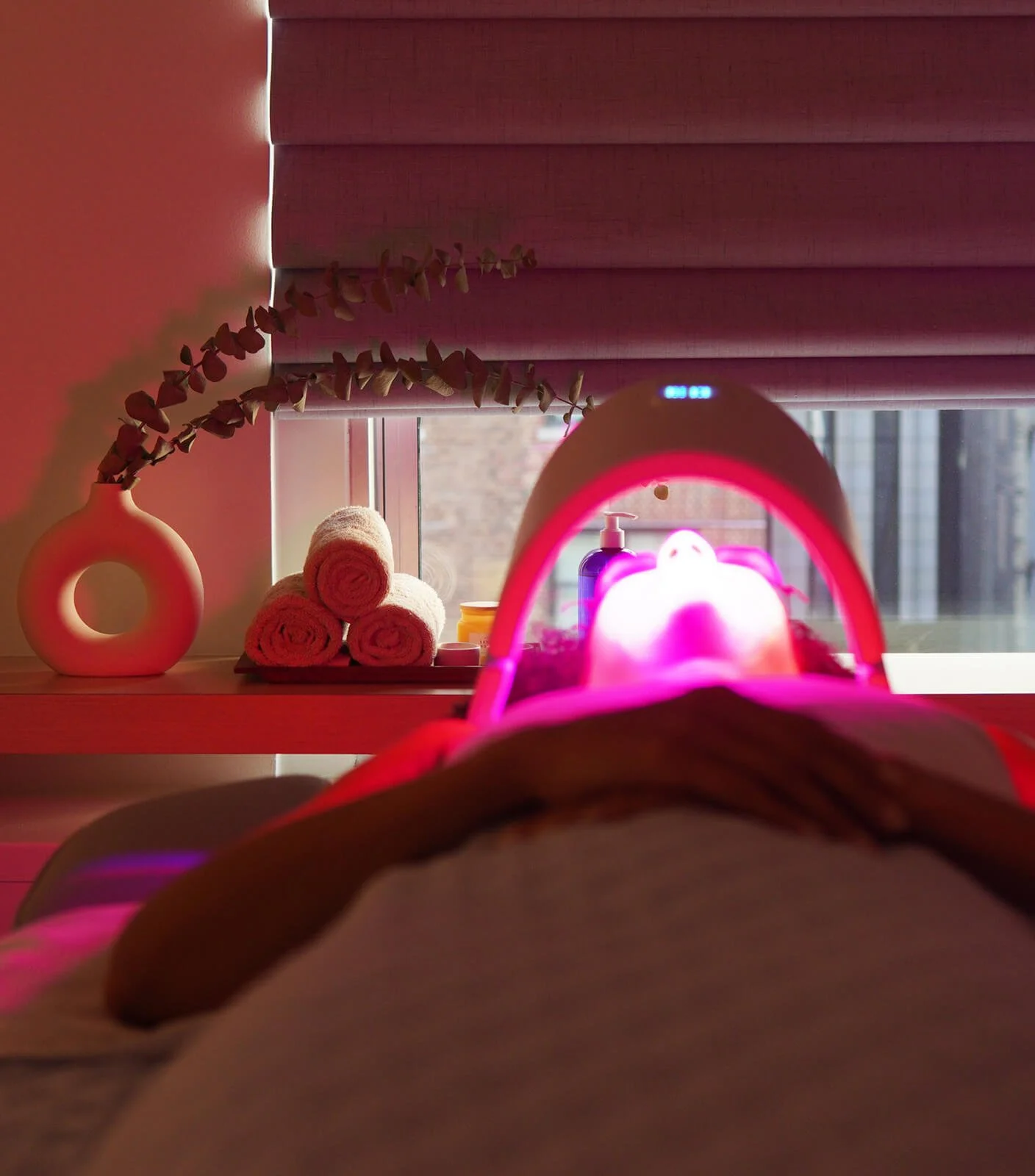
Still, it supports something many people feel after skilled facial work: when the face softens, the mind sometimes follows. Not because massage “cures” stress, and not because facial movement replaces mental health care. It simply reflects how closely the face, nervous system, breath, and emotional state are connected.
A softer jaw can change how you breathe.
A released brow can change how your face rests.
A calmer face can make the body feel a little safer.
Small changes count when the nervous system has been overloaded.
What a Stress-Focused Facial Treatment Should Do
A good treatment for stress-worn features should feel calm, specific, and respectful of the nervous system. It should not attack the face or force a dramatic result.
The work should usually begin where stress collects most:
jaw and masseter muscles
temples
brow area
forehead
neck
cheeks
area around the mouth
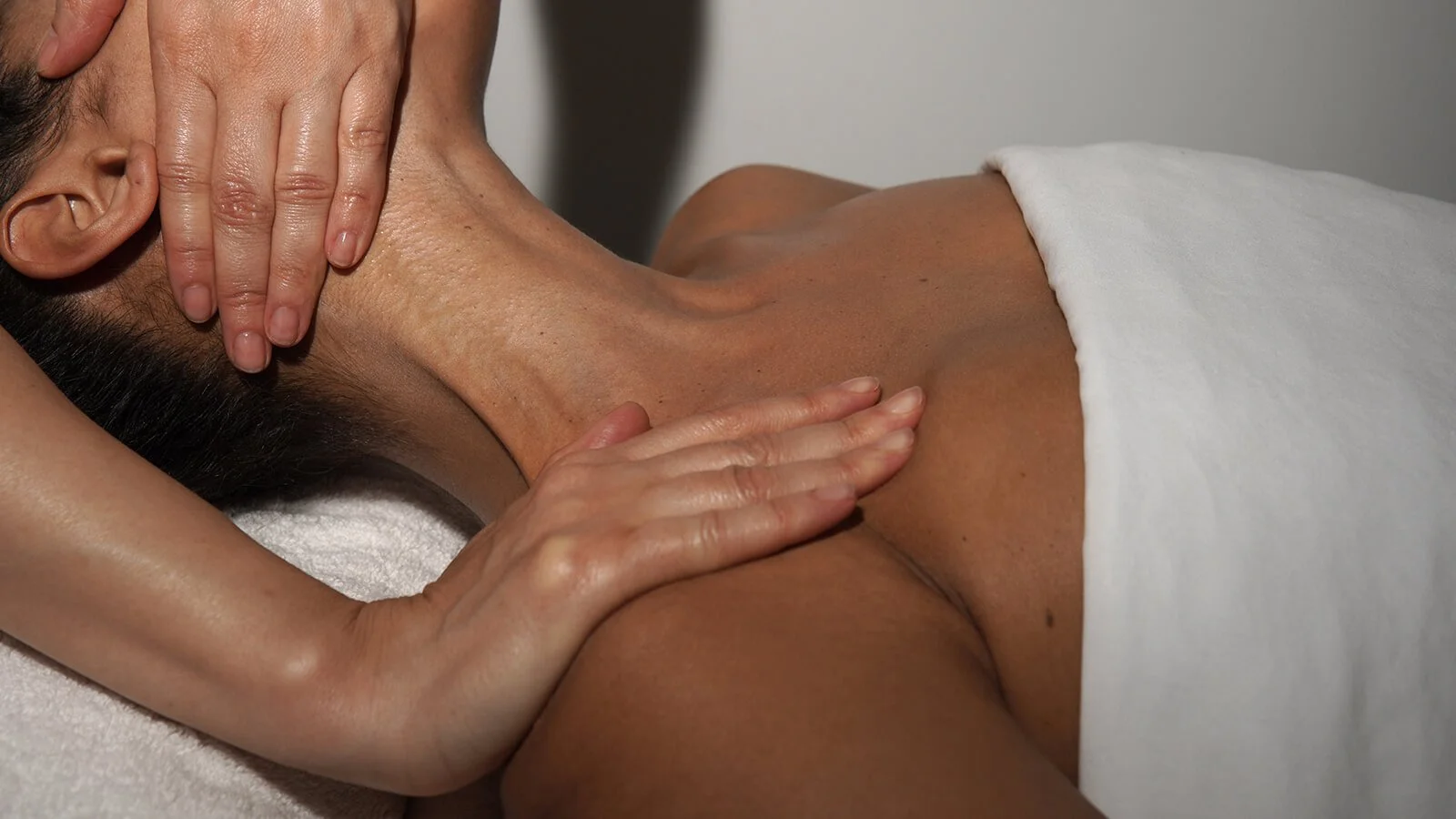
The pressure should match the tissue. Some areas need gentle lymphatic work. Some need slow release. Some need intraoral or buccal massage to reach deeper jaw and cheek tension. The best treatments do not simply “sculpt” the face. They listen to where the face is holding.
That kind of work can help the face look more rested because the tissue is no longer bracing as hard. The expression softens. The eyes look less guarded. The jaw looks less compressed. Fluid may move more easily.
The result should look like relief, not like a different person.
The Bottom Line
Stress shows up on the face because the face belongs to the nervous system, the circulatory system, the lymphatic system, and the emotional life of the body.
It shows in the jaw that will not let go.
It shows in the brow that keeps working.
This is why stress-focused facial work needs more care than a standard beauty treatment. The aim is not only glow or contour. It is release. It is helping the tissue return to movement, helping the muscles soften, and giving the nervous system a quieter signal.
A stressed face does not need criticism.
It needs room to exhale.