
LED Light Therapy Explained: What Each Color Actually Does for Skin
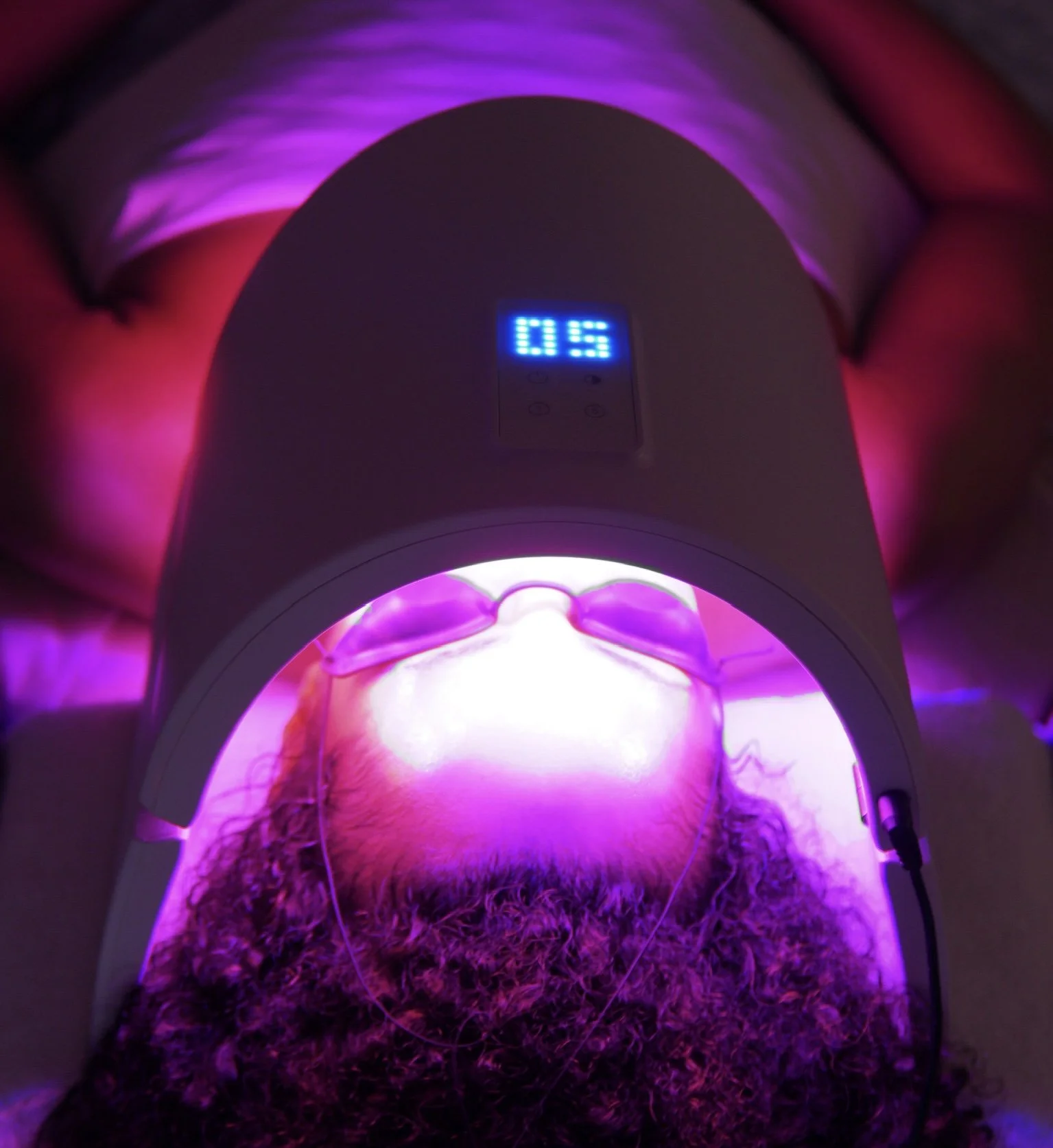
LED light therapy appears on nearly every clinic menu now, usually described in language that makes it sound like a single answer to everything from acne to aging. The reality is narrower and more interesting than that. Different wavelengths of light do genuinely different things to the skin, and the color is not decorative branding but a signal of how deep the light travels and which cells respond to it.
LED, short for light-emitting diode, therapy uses specific, controlled wavelengths of visible light delivered at low intensity across the face. No heat damage, no needles, no downtime. Different wavelengths penetrate the skin to different degrees and interact with different cellular targets, which is why their effects and clinical uses vary. This is the difference between a useful led light therapy facial nyc clients actually benefit from and an expensive colored glow.
At SENSO, LED is never the whole treatment. It is a finishing layer that supports the manual work rather than standing in for it, which is worth keeping in mind as we go through what each color is for.
Red light: collagen and repair
Red light, commonly used around 630–660 nanometers, penetrates more deeply than shorter visible wavelengths such as blue light and can reach dermal tissue, where fibroblasts and extracellular-matrix processes are involved.
The interest in red light comes down to what happens when those fibroblasts are stimulated. Research suggests red and near-infrared photobiomodulation can influence fibroblast activity, collagen-related processes, mitochondrial activity, and tissue repair. It strips nothing and exfoliates nothing. It works underneath, encouraging the skin to do more of what it already does. In practice, the red light therapy skin manhattan providers reach for is associated with:
calming redness and irritation after more active treatment;
supporting collagen-related activity over a course of treatments;
supporting recovery and modulation of inflammation;
improving the appearance of fine lines and overall skin quality over time.
The honest framing matters here. Collagen-related changes are gradual and are generally associated with repeated treatment rather than a single LED session. Red light is a slow, supportive input, not a switch, and its value appears over weeks. At SENSO, red light is used after the manual portion of the treatment as a gentle finishing step that complements the work already done and supports skin recovery.
Blue light: clarity and bacteria control
Blue light, commonly used around 415 nm for acne-focused protocols, is a shorter wavelength and penetrates more superficially than red light. Its primary clinical use is in acne-prone skin because of its effects on Cutibacterium acnes and inflammatory lesions.
Its main documented use is against Cutibacterium acnes, formerly known as P. acnes, the bacteria involved in breakouts. Blue light appears to disrupt these bacteria by triggering reactions inside them, which is why it is used as support for mild to moderate acne and congestion rather than for contour or aging, acting primarily in more superficial skin layers, where its acne-related photochemical effects occur. Blue light is not typically used as the primary wavelength for collagen stimulation or firming.
Because red and blue do such different jobs, comparing them directly makes the choice clearer:
| Red light | Blue light | |
|---|---|---|
| Wavelength | about 630 to 660 nm | about 415 nm |
| Depth | deeper, into the dermis | superficial, upper epidermis |
| Main target | fibroblasts, collagen, repair | C. acnes and acne-related inflammation |
| Best for | skin recovery, collagen support, redness/inflammation, and overall skin quality | breakouts and clarity |
| What it will not do | clear an active breakout | build collagen or firm |
Used well, blue light is a targeted tool for a specific problem. Used as a catch-all, it disappoints, because for someone whose main concern is skin rejuvenation rather than acne, red or near-infrared wavelengths are generally more relevant than blue light. The color should follow the concern, not the other way round.
How SENSO incorporates LED into facial protocols
This is where the difference between owning an LED device and using it intelligently becomes obvious. At SENSO, LED is incorporated at the end of the treatment as a supportive finishing step following the manual work.
Within both the FaceBioLift and the Fire & Ice facial, LED is the finishing layer of a longer sequence rather than a treatment booked on its own. A FaceBioLift session moves through a consistent order:
Expert consultation, reading the skin and the tension pattern before anything begins.
Cleansing and a hot towel to prepare the surface.
Manual work across the neck, chest, scalp and face: myofascial release, the intraoral (buccal) technique, and lymphatic drainage.
Vibrotherapy is incorporated as a standard part of both FaceBioLift and TMJ Relief treatments, while IASTM tools are used selectively when indicated by the tissue and treatment goals.
Nourishing skincare and LED light therapy to finish, supporting the skin's repair while it is at its most settled.
The sequence is deliberate: the manual portion addresses tension, mobility, and fluid movement, while LED is used afterward as a separate supportive modality for skin recovery and photobiomodulation. Together, the manual work and LED create a treatment that addresses both facial tension and skin quality through different, complementary mechanisms.
The protocol is single and consistent, yet adapted to the person, and the LED step is no exception. Where it fits depends on what the skin needs that day:
red light for recovery, redness/inflammation support, and skin-rejuvenation goals;
blue light where active breakouts or acne-prone skin are part of the concern;
the wavelength and whether LED is appropriate that day are selected according to the skin condition, treatment goals, and any relevant contraindications.
Understood in that context, the real led facial benefits become clear. LED is not a standalone miracle, and SENSO does not present it as one. It is a precise, gentle input that extends and supports the manual work, supporting skin recovery and skin quality after the manual portion of the treatment. The light does the finishing. The hands do the work that makes the finishing worth doing.