
Pollution, Maskne and the Manhattan Commute: Building a Facial Routine That Keeps Up
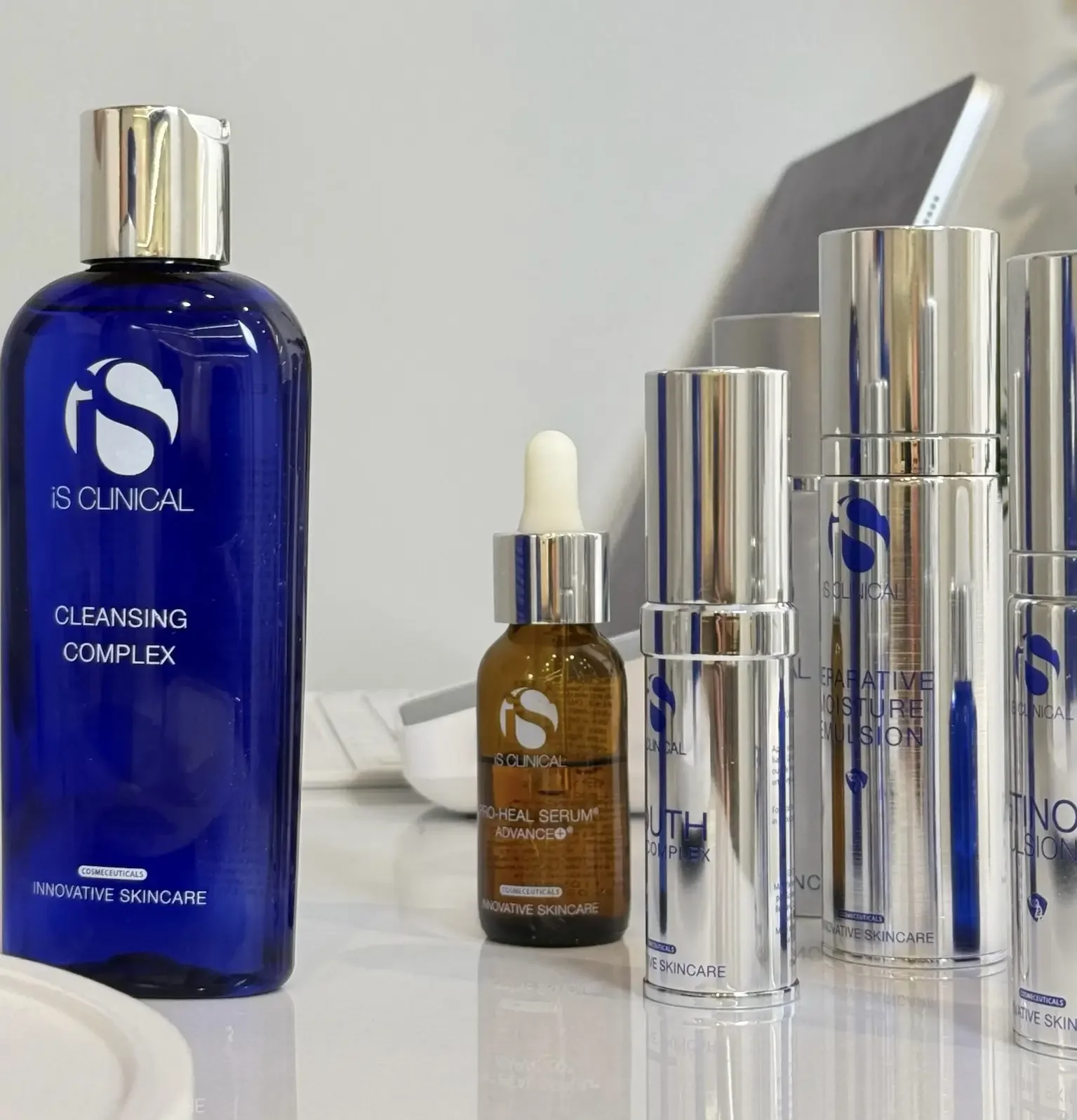
A Manhattan commute leaves more behind than a bad mood.
By the time you get home, your skin has dealt with subway heat, street dust, sweat, sunscreen, makeup, mask friction, and whatever has been floating through the air between platforms. None of it arrives separately. It all mixes together on the face.
That is why skin can feel greasy and dry at the same time. The surface looks shiny, yet the cheeks feel tight. Pores seem more obvious. A few small bumps appear around the chin, nose, or jaw.
The answer is not to scrub harder.
A useful NYC pollution skin facial routine should remove the day without stripping the skin, then give the barrier enough support to recover before tomorrow’s commute begins.
What City Air and Transit Actually Deposit on Skin Daily
City air carries a mix of fine dust, soot, smoke residue, and tiny particles produced by traffic, construction, brakes, and general street activity.
Inside the subway, add heat and limited airflow. Your face becomes warm, oil production picks up, and sweat sits under makeup or sunscreen. Touching a pole and then brushing hair away from your cheek does not help either.
A mask changes the situation again.
Warm breath creates a humid pocket around the mouth and chin. The fabric rubs against the same areas while oil, sweat, and dead skin collect underneath. That combination can irritate the skin and contribute to the breakouts commonly called maskne.
Pollution is only one part of the problem. The commute itself can show up on your face.
Stress activates the body’s sympathetic nervous system, better known as the fight-or-flight response. This system affects sweating, blood vessels, and other processes that help the body deal with pressure. A packed train, delayed service, poor sleep, and a rushed morning may not feel like a skin issue, but the body does not keep those experiences in separate boxes.
Research on stress and the skin has linked prolonged psychological strain with lower skin hydration, greater water loss through the surface, slower barrier recovery, and increased inflammation. In other words, the skin may become easier to irritate at the same time that it is dealing with sweat, friction, and city buildup.
That is why Manhattan commute skin damage rarely looks like one obvious problem. It may appear as congestion one week, sensitivity the next, then a stretch where everything feels dull and uneven.
Why Standard Cleansing Routines Fall Short in NYC
A quick splash of water may not remove sunscreen, makeup, oil, and the film that settles on the skin during the day.
But the opposite approach can be just as unhelpful.
Many people come home, reach for the strongest foaming cleanser they own, scrub until the skin feels squeaky, then add an exfoliating toner for good measure. The face feels spotless for twenty minutes. By bedtime, it feels tight. The next morning, it may already look oily again.
That squeaky feeling is not proof that the skin is clean. It often means too much of its protective surface oil has been removed.
A better evening routine is fairly simple.
Start by taking off makeup and water-resistant sunscreen with micellar water, cleansing balm, or another gentle first cleanser. Follow with a mild face wash to remove what remains. Even if you wear little product, you still need to perform a double-cleanse.
Then stop.
Not every subway ride calls for a scrub, peel, cleansing brush, or acid. Exfoliation can help with rough texture and clogged pores, but daily overuse leaves the barrier with even more work to do.
Finish with a moisturizer that suits your skin. Lightweight gel creams may feel better during humid summers, while colder months often call for something richer. In the morning, cleanse gently if needed, moisturize, and apply sunscreen.
Maskne-prone skin needs fewer complications, not more.
Avoid heavy layers beneath a mask when possible, change disposable masks regularly, and wash reusable ones after each use. A clean mask still creates warmth and friction, but it removes one avoidable source of buildup.
The routine should also change with the day. An hour-long commute in August is different from a ten-minute walk in January. Skin care that ignores weather, sweating, and how much product you wore will always feel slightly off.
How Often a Professional Reset Should Fit Into City Life
Home care handles the daily cleanup. A professional facial can step in when the skin starts carrying more than that routine is clearing.
For most people, every four to six weeks is a reasonable rhythm. That roughly matches the pace at which congestion, rough texture, and dead surface cells can begin building again, without treating the skin so often that it stays irritated.
Someone dealing with frequent maskne or stubborn clogged pores may benefit from a shorter interval at first. Sensitive or easily flushed skin may need more time between appointments.
The treatment should follow the condition of the skin, not a fixed membership calendar.
A city skin detox facial is also worth describing honestly. A facial does not pull mysterious toxins out of the body. What it can do is remove surface buildup more thoroughly, clear suitable clogged pores, exfoliate at a controlled level, and restore hydration after weeks of commuting, weather changes, and inconsistent sleep.
That is a reset. Not a detox in the medical sense.
You may be due for one when your usual products stop sitting well, the skin remains congested after cleansing, or the face keeps swinging between oily and tight. Rough patches, persistent dullness, and recurring chin bumps are other common signs.
Still, more treatments will not automatically produce calmer skin. Aggressive extractions, strong peels, and frequent exfoliation can make an already stressed barrier harder to manage.
The best NYC pollution skin facial routine is not built around attacking the face every night. It clears away the commute, protects the barrier, and leaves room for the skin to settle.
New York will give your face plenty to deal with tomorrow. Your routine does not need to add to it.