
Wet Microdermabrasion Explained: A Gentler Path to Cell Turnover
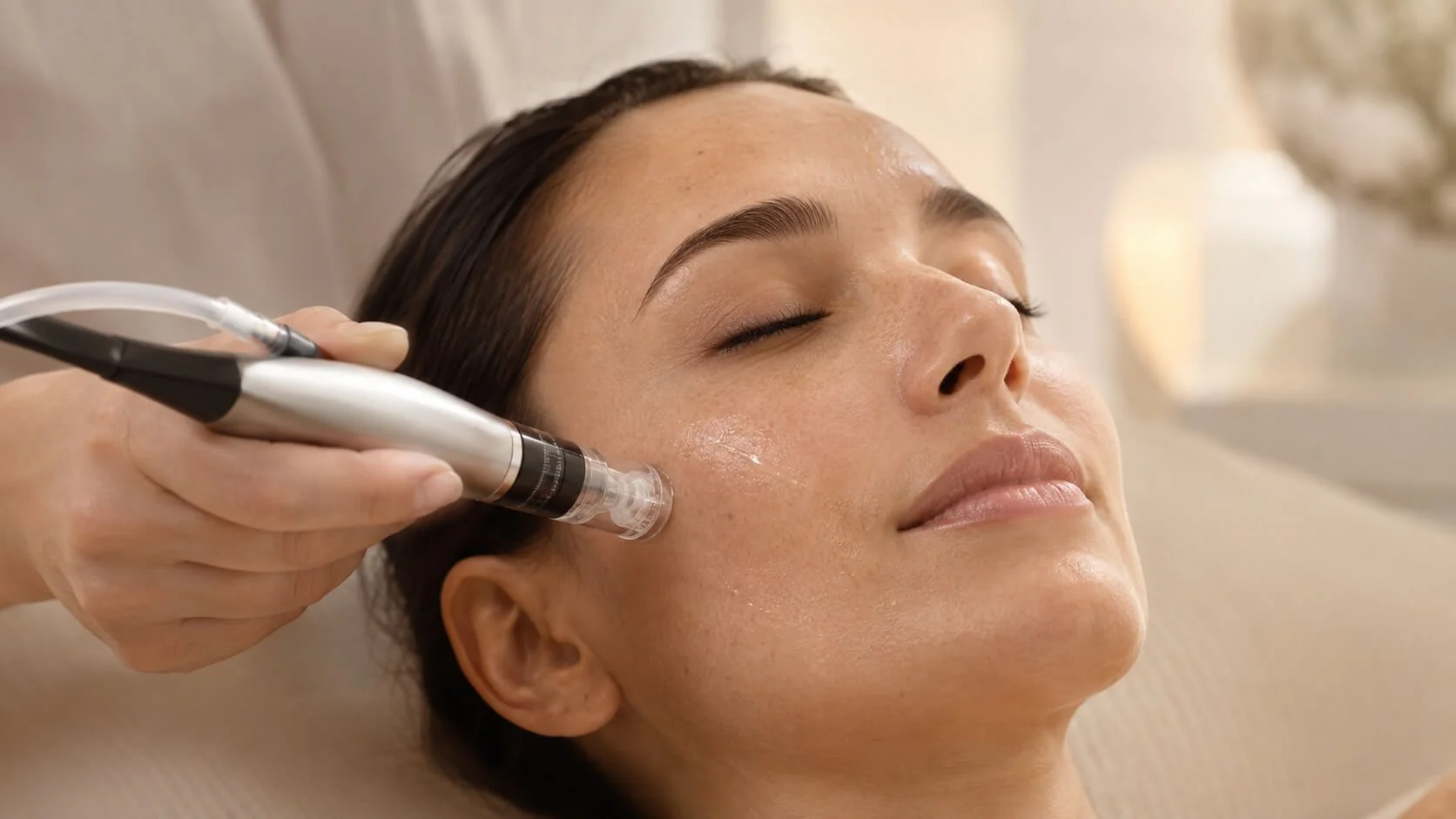
Traditional microdermabrasion has a reputation. A machine blasts tiny crystals across the face, suctions them back up, and leaves the skin very, very clean. Sometimes impressively smooth. Sometimes a little like it spent the afternoon in a wind tunnel.
Wet microdermabrasion takes a softer route. Instead of exfoliating dry skin with loose crystals, it pairs controlled suction with a stream of liquid. The treatment loosens dead surface cells, lifts away buildup, and keeps the skin from feeling stripped halfway through.
That difference is why people searching for wet microdermabrasion NYC tend to want something specific: fresh skin without three days of regret. It is also why the treatment fits so naturally alongside SENSO's wider philosophy, which treats the face as something to work with rather than against.
How Wet Microdermabrasion Differs From Traditional Crystal Methods
Both treatments work at the surface. Neither is a deep chemical peel, a laser, or a procedure that removes several layers, since microdermabrasion mainly targets the outermost dead cells, which is why it improves roughness and temporarily makes the complexion look brighter.
The real difference is how those cells come off. Traditional crystal microdermabrasion sprays fine abrasive particles, often aluminum oxide, across the skin, then vacuums the crystals back up along with the loosened debris. It works, and it has been around for years for a reason, but the dry, abrasive feel is not everyone's favorite, particularly when the skin already turns tight, red, or irritated with little provocation.
Wet microdermabrasion, also called hydradermabrasion, uses a liquid solution alongside suction and a textured treatment tip. The fluid loosens surface buildup while the device draws it away, and depending on the treatment, hydrating or antioxidant solutions may be delivered in the same pass. Published imaging research has observed visible surface exfoliation after hydradermabrasion, while earlier clinical work reported improvements in skin quality across a series of sessions.
In practical terms, one method feels dry and polishing, while the other feels closer to the skin being rinsed, exfoliated and vacuumed at once. A slightly strange description, but an accurate one.
Why Hydration During Exfoliation Matters for Sensitive Skin
Sensitive skin does not necessarily hate exfoliation. It hates being ambushed. The trouble usually starts when too much is removed too fast: a harsh scrub, a strong acid, a cleansing brush and a retinoid all land in the same week, and then everyone acts surprised when the face flushes.
Wet microdermabrasion feels gentler because the skin stays in contact with fluid throughout. No loose crystals remain on the surface afterward, and the practitioner can adjust suction and passes rather than treating every area with equal force. That adjustment is the whole point, and it is where SENSO's approach separates from a technician running a fixed setting across the face.
The reasoning is the same one behind everything SENSO does: the face is not uniform, so the treatment should not be either. An oily nose and dry upper cheeks do not want the same work, and a congested chin beside a calm jawline does not either. A careful provider spends more time where buildup is obvious and eases off where the skin looks thin or reactive. Hydration also changes the finish, since traditional exfoliation can leave the face smooth but tight, whereas this pairs surface renewal with liquid delivery so the skin feels softer rather than freshly sanded. The evidence base here remains limited and should not be read as proof that every machine or serum performs identically. Sometimes the most skin-friendly decision is postponing the treatment altogether.
What Actually Happens During the Appointment
The session usually opens with cleansing, which in SENSO's rhythm also means starting with the skin calm rather than diving straight into work. The practitioner then moves the handpiece across the face in controlled passes, and you may feel cool liquid, light suction, and a mild dragging sensation from the tip. It should not feel as though the device is trying to take your cheek home with it.
Different areas can be treated at different intensities, and this is where the personalization becomes concrete rather than a slogan:
● the nose and chin, often more congested, may tolerate more attention;
● the skin around the eyes gets less;
● thin or reactive patches are eased off deliberately;
● any extractions or finishing products depend on what the skin needs that day, not a standard script.
There is usually no dramatic peeling afterward. Mild pinkness can happen if the skin flushes easily, but the treatment is generally chosen by people who want something that fits into normal life without a recovery week. You leave, you go to dinner, and nobody asks what happened to your face. Ideal, really.
What Results Can You Expect After One Session?
After one appointment, the skin usually feels smoother first. Makeup sits more evenly because loose, flaky cells are no longer catching foundation in patches, and the face can look brighter, especially when the dullness came from dryness and buildup rather than pigment deeper in the skin.
You may also notice:
● softer rough areas;
● a cleaner look around congested pores;
● less visible flaking;
● a temporary hydrated glow.
The word temporary belongs there. One session does not permanently change pore size, erase acne scars, remove deep lines, or retrain the skin to behave forever. It clears and smooths the surface, which makes a real difference without being a full renovation. Products spread easily, the face is not rough around the nose, and a little more light comes off the skin without it looking oily. Not life-changing. Still nice.
Is Wet Microdermabrasion Better for Sensitive Skin?
It can be a better fit than aggressive crystal exfoliation, but the name alone guarantees nothing. The settings matter, the number of passes matters, the solutions matter, and above all the person operating the device matters. This is exactly why SENSO puts the consultation ahead of the machine.
A careful provider does not treat redness as a challenge to defeat. They ask about retinoids, recent peels, medications, active breakouts, rosacea, and how the skin usually behaves after facials, then plan accordingly. Anyone looking for microdermabrasion sensitive skin work should pay far more attention to that conversation than to any brand name on the equipment, because the fanciest device in the city can still be used badly, and a considered gentle exfoliation facial Manhattan clients actually benefit from depends on judgment rather than hardware.
That judgment is the through-line across everything SENSO offers, whether the work is manual myofascial and buccal release or a surface reset like this one.
How Often Should You Book It?
The honest scheduling advice is simple enough to hold in one hand:
| Situation | Sensible approach |
|---|---|
| Before an event or when skin feels dull | a single reset session |
| Between visits | ease off acids, scrubs and pads, let the treatment work |
| Daily routine afterward | cleanser, moisturizer, sunscreen |
| Reactive or recently treated skin | wait, and consult before booking |
One treatment can freshen the surface before an occasion or when the skin feels congested, and you do not need to keep running acids and scrubs at full speed between visits. A simple routine afterward is usually more useful than restarting every active product in the bathroom.
Wet microdermabrasion works best when it stays what it is: a controlled surface reset. Not punishment, not a miracle, just a calmer way to clear what the skin is ready to let go of.